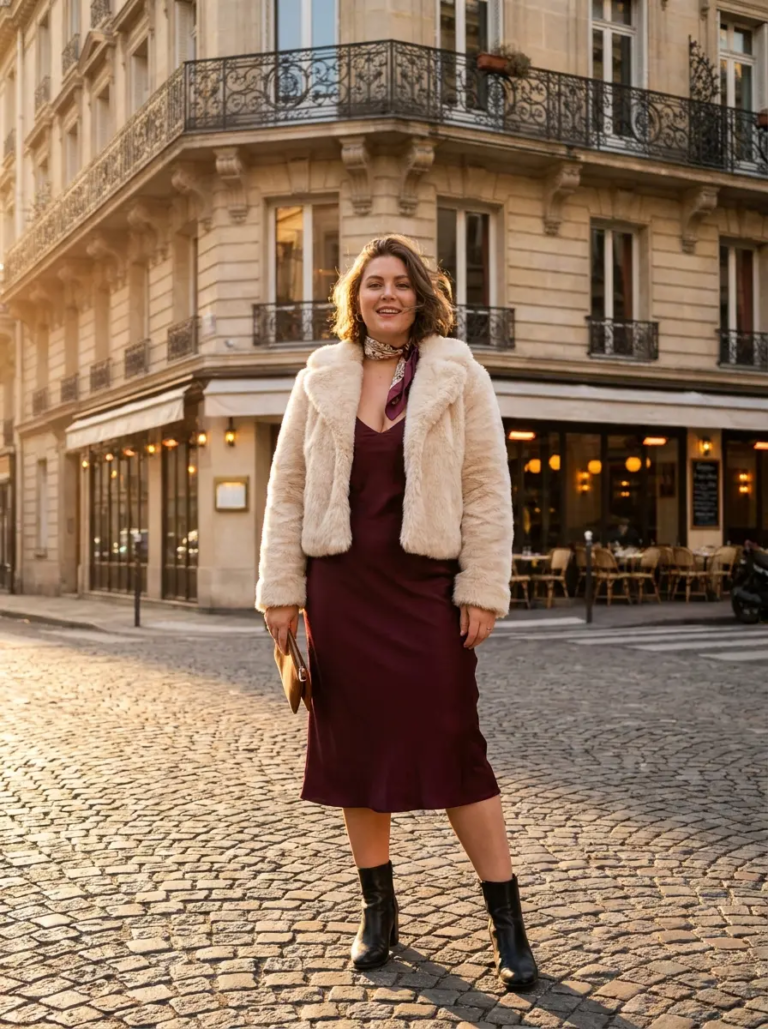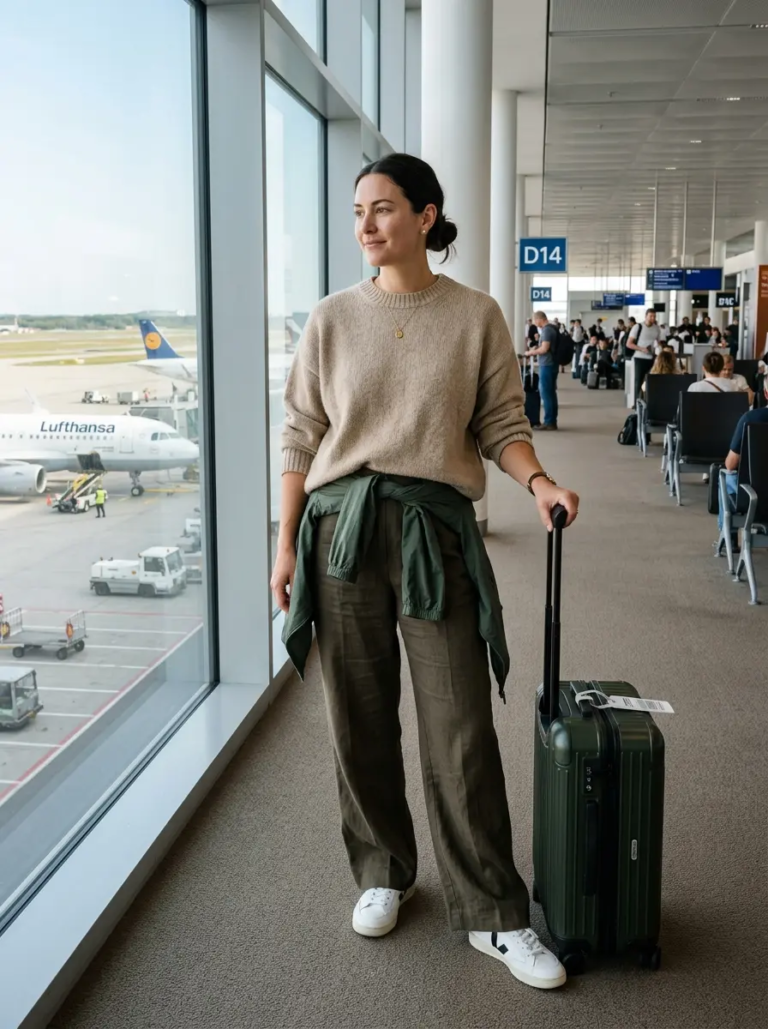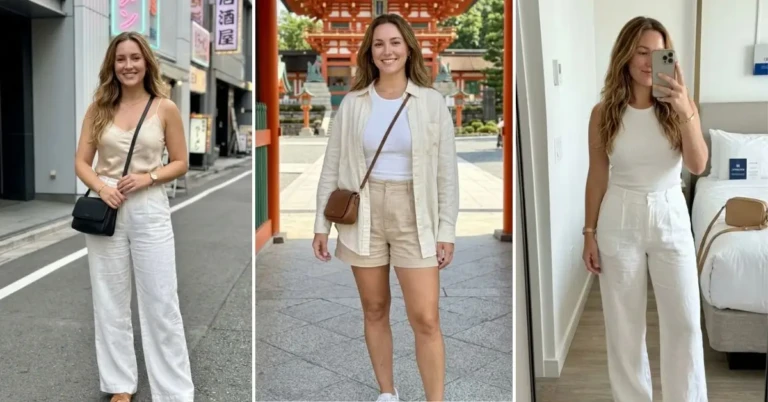
What to Pack for Japan in October: Complete Packing List
Warm afternoons that cool fast after sunset, temples that expect covered shoulders, and shoes you’ll be taking on and off all day — Japan in October rewards travelers who pack smart, not just warm.
Here’s the full packing list, broken down by category, so nothing catches you off guard between Tokyo’s trains and Kyoto’s shrines.
What’s the Weather Like in Japan in October?
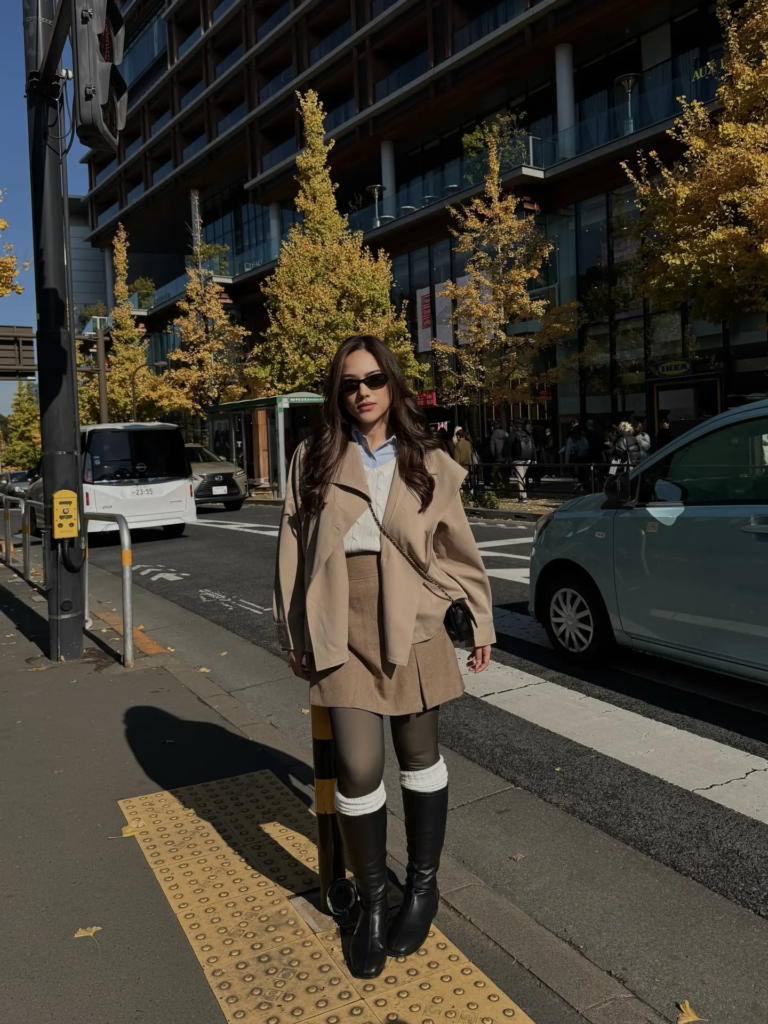
October in Japan shifts noticeably from early to late in the month. Early October can still feel like late summer in cities like Tokyo and Osaka, with daytime highs around 68–73°F, while late October cools down closer to 55–62°F, especially in the evenings.
Kyoto and northern regions like Hokkaido run several degrees cooler throughout the month.
Rain is common in early October due to the tail end of typhoon season, tapering off by mid-to-late month. This means your packing list needs to cover three things at once: layering for a real temperature shift, light rain protection, and shoes that are easy to remove throughout the day.
Japan in October Packing List
| Category | Items | Notes |
|---|---|---|
| Outerwear | Trench coat or light jacket, one warmer cardigan | Cover both warm afternoons and cool evenings |
| Tops | 4–5 long-sleeve tops, 2–3 short-sleeve tops | Mix-and-match under jackets |
| Bottoms | 2 pairs jeans or trousers, 1 skirt | Versatile across sightseeing and dinners |
| Dresses | 1–2 dresses, ideally with sleeves | Cover temple visits and evening outings |
| Footwear | Slip-on shoes or loafers, comfortable sneakers | Many places require removing shoes |
| Accessories | Light scarf, crossbody bag or small backpack | Hands-free for trains and temple visits |
| Toiletries | Travel-size skincare, sunscreen | Humidity can linger into early October |
| Tech | Phone charger, adapter, portable battery, pocket WiFi | Japan uses Type A plugs |
| Documents | Passport, JR Pass or IC card, travel insurance | Keep physical and digital copies |
| Extras | Compact umbrella, tissues/hand towel, coin purse | Cash and coins are used more than in the US |
Outerwear


Pack two layering pieces rather than one heavy coat. A trench coat or light jacket handles most daytime temperatures, especially in Tokyo and Osaka, while a warmer cardigan covers cooler evenings and destinations like Kyoto or Hokkaido. Since temperatures shift meaningfully across the month, this layering approach adapts better than a single coat chosen for either extreme.
Tops

Bring a mix of long-sleeve and short-sleeve tops so you can adjust to early-month warmth or late-month cooling. Neutral, easy-to-mix colors help you build more outfit combinations without packing extra pieces, which matters on a trip that often involves significant walking and minimal laundry access.
Bottoms


Jeans or tailored trousers cover most daytime and evening situations across Japan’s cities. A skirt — ideally midi-length — adds a temple-appropriate, dressier option without requiring an entirely separate outfit category.
Dresses


One or two dresses, ideally with sleeves or paired with a cardigan, work well for both temple visits and dinner reservations. Modesty matters more at temples and shrines than in everyday city settings, so sleeved or easily-layered dresses are more versatile across the whole trip.
Footwear


Comfortable walking shoes are essential, but slip-on shoes or loafers deserve equal priority in Japan specifically — many temples, traditional restaurants, and some accommodations require removing shoes at the entrance. Laced sneakers become a repeated inconvenience across a trip with this many shoes-off moments.
Accessories


A light scarf adds warmth for cooler mornings and evenings without needing a full extra layer. A crossbody bag or small backpack keeps hands free for navigating train stations, ticket gates, and crowded sightseeing areas.
Toiletries

Humidity can still linger into early October, particularly in southern cities, so don’t skip sunscreen even during a fall trip. Stick to travel-size versions of your regular skincare routine rather than packing full-size bottles for a short trip.
Tech Essentials

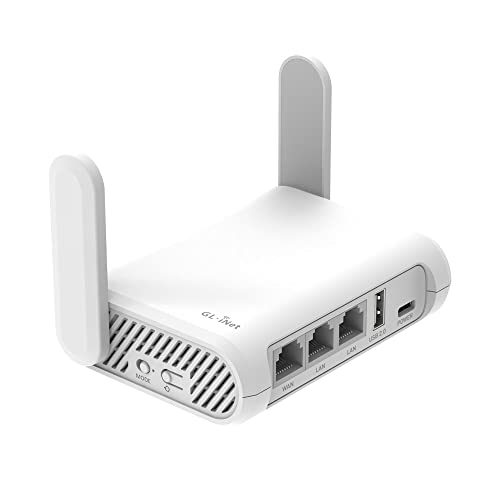
Japan uses Type A plugs, the same as the US, so travelers from North America won’t need an adapter, but travelers from Europe, the UK, or Australia will. A pocket WiFi device or local SIM is worth arranging in advance, since reliable connectivity makes navigating trains and translation apps significantly easier.
Documents

Keep your passport, JR Pass voucher (if applicable), IC transit card, and travel insurance details in one easily accessible place, with a backup digital copy saved offline in case you lose paper copies or don’t have reliable WiFi when you need them.
What Changes by Week
- First half of October — Lighter layering is often enough; a light jacket and short-sleeve tops cover most days, especially in Tokyo and Osaka.
- Second half of October — Add the cardigan and long-sleeve tops more consistently as evenings turn colder, particularly in Kyoto and northern regions.
- Any week — Pack slip-on shoes regardless of the specific dates; shoes-off etiquette applies throughout the month.
Common Mistakes to Avoid
- Packing only summer clothing — early October can still feel warm, but the month shifts quickly toward cooler weather
- Bringing only laced sneakers — slip-on shoes save significant time and hassle at temples and traditional restaurants
- Skipping rain protection — early October can still catch the tail end of typhoon season
- Overpacking dressy outfits — most of Japan’s dress culture is smart-casual rather than formal
- Forgetting cash — many smaller shops, temples, and restaurants still prefer cash over card
What I’d Pack Differently
Based on current traveler feedback and seasonal weather patterns, the item most travelers wish they’d packed is shoes that slip on and off easily — between temples, traditional restaurants, and some accommodations requiring shoes off at the door, laced sneakers become a repeated inconvenience that slip-on shoes or loafers solve completely.
FAQs
Do I need a heavy coat for Japan in October? No — a light jacket and one warmer cardigan are usually enough; true winter coats aren’t necessary until closer to December.
How many pairs of shoes should I pack? Two is typically enough: one comfortable walking shoe for daily sightseeing, and one slip-on pair for temples and restaurants requiring shoes off.
Is cash necessary if I have a credit card? Yes, to some extent — many smaller shops, temples, and traditional restaurants in Japan still prefer or require cash, so carrying yen is worth planning for.
Should I pack for both warm and cold days? Yes — early October can still have warm afternoons, especially in Tokyo, so packing layers you can remove is more useful than committing to only cold-weather pieces.